
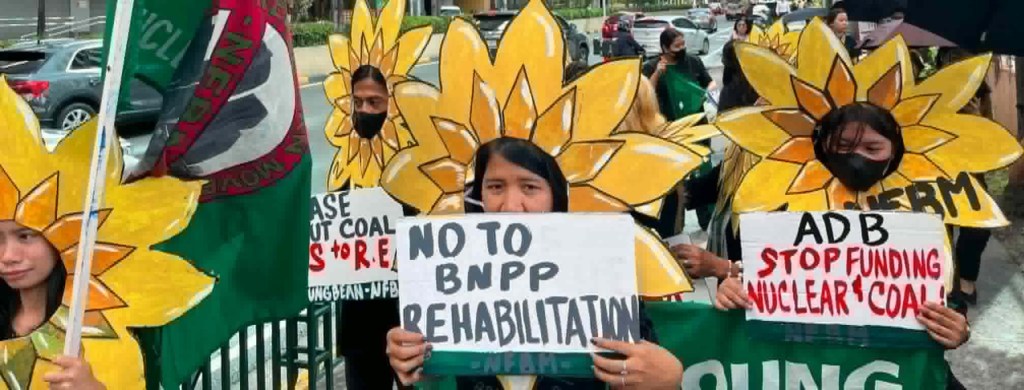
BALANGA CITY, Bataan — The Nuclear/ Coal-Free Bataan Movement (NFBM) on Wednesday condemned the decision of the Asian Development Bank (ADB) to lift its 2021 ban on financing nuclear energy projects, warning that the move could expose the Philippines to financial, environmental, and safety risks.
In a statement dated June 10, NFBM said the ADB’s decision to support nuclear energy development in the Philippines represents a reversal of its previous policy and undermines efforts to promote renewable energy as a climate solution.
“From Bataan to Fukushima, the cost of nuclear energy is paid by people, not polluters,” the group said, describing the policy shift as a “dangerous reversal.”
NFBM cited the experience of the mothballed Bataan Nuclear Power Plant (BNPP), which it described as a cautionary example of failed energy policy. The facility, built during the Marcos administration, never became operational despite costing an estimated $2.3 billion.
The group argued that reviving nuclear financing could increase public debt, displace communities, and expose future generations to potential risks associated with nuclear energy.
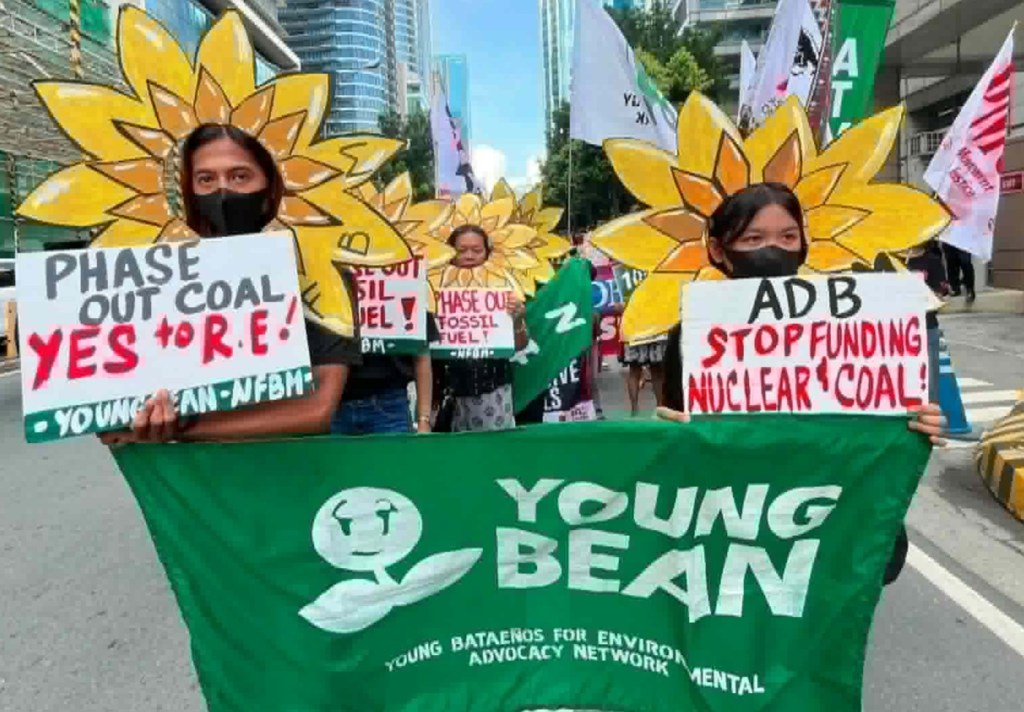
“Reviving nuclear financing will only deepen debt, displace communities, and expose generations to irreversible harm. Our community-led study shows renewable energy is what our people want,” said NFBM council member Elpidio Avellanoza.
NFBM also raised concerns about the country’s vulnerability to natural disasters, citing the recent magnitude 7.8 earthquake in Mindanao that resulted in deaths, injuries, and tsunami warnings.
According to the group, the BNPP is located near Mt. Natib, a dormant volcano in an area susceptible to seismic activity, making nuclear energy projects particularly risky in the Philippines.
The organization further noted that concerns previously cited by the ADB in its 2021 policy—including radioactive waste management, the possibility of catastrophic accidents, and high project costs—remain unresolved.
NFBM pointed to the 2011 Fukushima nuclear disaster in Japan as an example of the long-term challenges associated with nuclear energy.
The group also criticized what it described as a lack of meaningful consultation with affected communities during the ADB’s policy review process, saying it fell short of the bank’s accountability standards.
NFBM called on the ADB to reconsider its decision and instead increase investments in renewable energy projects across Asia.
The Nuclear-Free Bataan Movement is a network of citizens and advocates campaigning for a nuclear-free and sustainable energy future in the Philippines. (Ang Pahayagan Reportorial Team)
📸 Nuclear / Coal-Free Bataan Movement




Leave a Reply