
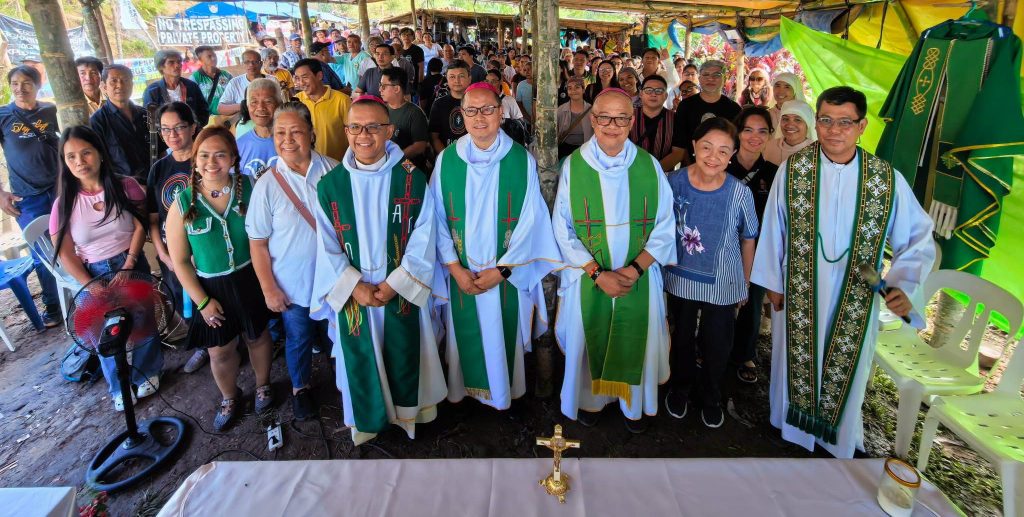
BAYOMBONG, Nueva Vizcaya — Two Catholic bishops have called on government agencies to protect Indigenous Peoples’ ancestral lands, investigate alleged human rights violations and ensure environmental accountability amid concerns over mining and exploration activities in Nueva Vizcaya and Quirino.
Bishop Gerardo A. Alminaza, president of Caritas Philippines and chairperson of the Catholic Bishops’ Conference of the Philippines’ (CBCP) Episcopal Commission on Social Action-Justice and Peace, and Bishop Moises M. Cuevas, chairperson of the CBCP Episcopal Commission on Indigenous Peoples, issued the appeal following a solidarity mission with the Diocese of Bayombong in Kasibu, Nueva Vizcaya, on Nov. 14.
In a joint statement, the bishops expressed concern over reports of alleged intimidation, violent dispersals, red-tagging, judicial harassment and other human rights violations involving Indigenous communities, farmers and residents defending their ancestral lands and livelihoods.
They also raised questions about the issuance of permits, Certificates of Non-Overlap and the conduct of free, prior and informed consent (FPIC) processes for projects affecting Indigenous communities.
The bishops urged concerned government agencies and companies to respect Indigenous Peoples’ rights, customary laws and legitimate decision-making processes, stressing that projects requiring FPIC should not proceed without the communities’ consent.
They called on the National Commission on Indigenous Peoples and other government agencies to conduct a transparent review of disputed Certificates of Non-Overlap and consent processes, with the full participation of affected communities.
The bishops also urged the Department of Environment and Natural Resources, the Mines and Geosciences Bureau and local governments to disclose relevant permits and environmental compliance findings and conduct independent assessments of the cumulative effects of mining and exploration activities on the environment, livelihoods and Indigenous cultures.
They said activities found to violate legal safeguards should be stopped and precautionary measures implemented where credible evidence points to serious environmental harm.
On human rights concerns, the bishops called on the Commission on Human Rights and other competent authorities to conduct prompt, independent and impartial investigations into allegations of intimidation, violence, red-tagging and judicial harassment.
They also stressed the need to protect communities and human rights defenders from threats and retaliation and uphold their rights to peaceful assembly, freedom of expression and due process.
The bishops said development projects should prioritize human dignity, environmental protection and the common good rather than threaten communities’ livelihoods, food security and natural resources.
They cited the Indigenous Peoples’ Rights Act, or Republic Act 8371, which recognizes ancestral-domain rights and provides safeguards through the FPIC process.
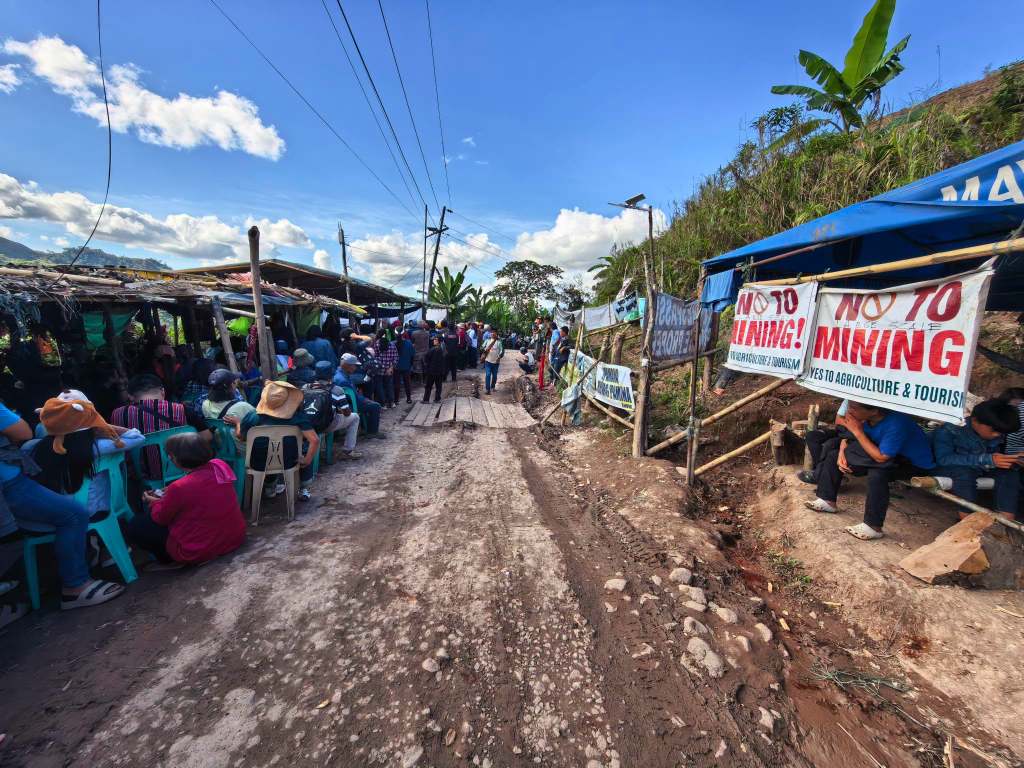
The statement also invoked Pope Francis’ encyclical Laudato Si’, which emphasizes that Indigenous communities should be principal partners in decisions involving projects that affect their ancestral lands.
The bishops pledged continued support for Indigenous-led conservation, sustainable agriculture and community-based livelihood initiatives.
They also committed to working with the Diocese of Bayombong to provide pastoral support, human rights education, humanitarian and legal assistance, and environmental initiatives in partnership with affected communities.
“We come not to speak in their place, but to listen to their voices, affirm their rights, and stand beside them in their pursuit of justice, dignity, and self-determination,” the bishops said.
They added that Indigenous Peoples, farmers and community defenders should not face their struggles alone, recognizing their efforts to protect ancestral lands, watersheds and resources for future generations. (Ang Pahayagan Reportorial Team)
Caritas Philippines photos



Leave a Reply