

MANILA — Catholic Church leaders have raised concerns over the proposed U.S.-backed Pax Silica Industrial Hub in New Clark City, Tarlac, calling on the government to ensure transparency, protect affected communities, and guarantee that the project delivers lasting benefits to the Philippines.
In separate statements, Caritas Philippines and Cardinal Pablo Virgilio David said they are not opposed to industrial development or foreign investment but questioned the project’s governance, environmental impact, and long-term value for the country.
Caritas Philippines, the Catholic Church’s social action and advocacy arm, said it opposes the proposed 1,620-hectare Pax Silica Industrial Hub “in its present form,” citing the lack of clear public information on who will control the project, how its massive energy and water requirements will be met, how much public land and funding will be committed, and which communities will bear its environmental and social costs.
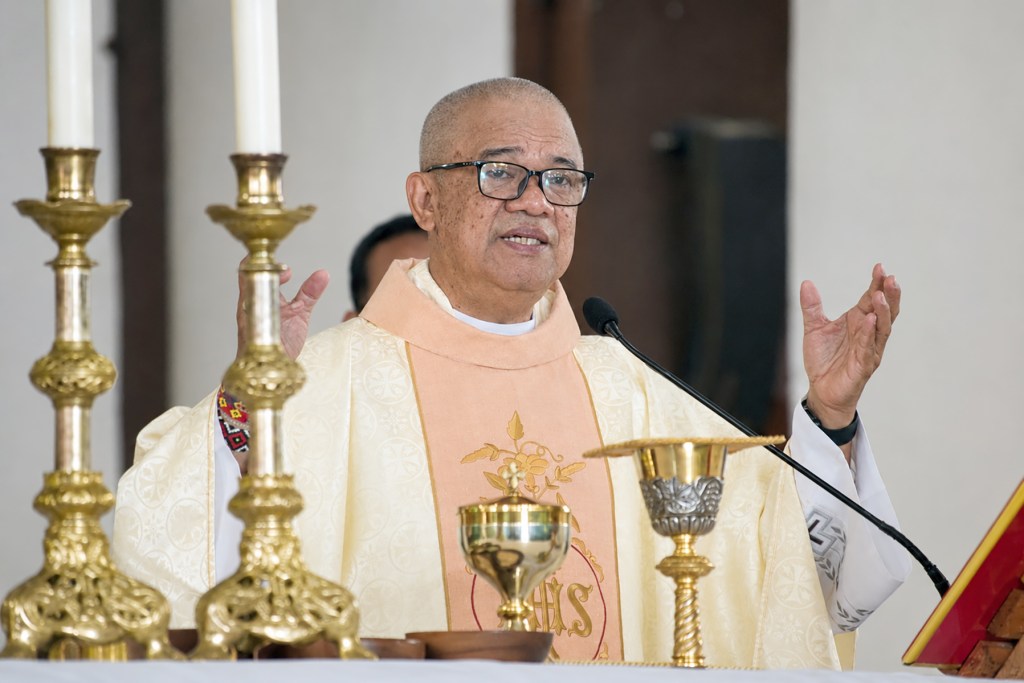
Bishop Gerardo Alminaza of San Carlos, president of Caritas Philippines. DIOCESE OF SAN CARLOS
“The site is not empty land,” Caritas Philippines President Bishop Gerardo Alminaza said, noting that the area is home to Aeta Indigenous communities, farmers, and rural residents whose rights and livelihoods “must come before corporate and geopolitical interests.”
President Ferdinand Marcos Jr. highlighted the project during his fifth State of the Nation Address on July 27, describing it as a key component of the Luzon Economic Corridor that would create an artificial intelligence-centered industrial ecosystem, generate quality jobs, strengthen the country’s manufacturing competitiveness, and revitalize the economy.
The proposed hub is part of Pax Silica, a U.S.-led coalition of 23 countries established in December 2025 to strengthen global supply chains for semiconductors, artificial intelligence, and critical minerals. The Philippines joined the coalition in April 2026.
Alminaza warned that the initiative should not become a justification for land conversion, displacement of communities, environmentally destructive mining, or the diversion of electricity and water from public needs.
He said the country’s goal should not simply be industrialization but the development of industries that expand Filipino ownership, technological capability, and manufacturing capacity rather than keeping the country dependent on exporting raw materials, low-value components, and inexpensive labor.
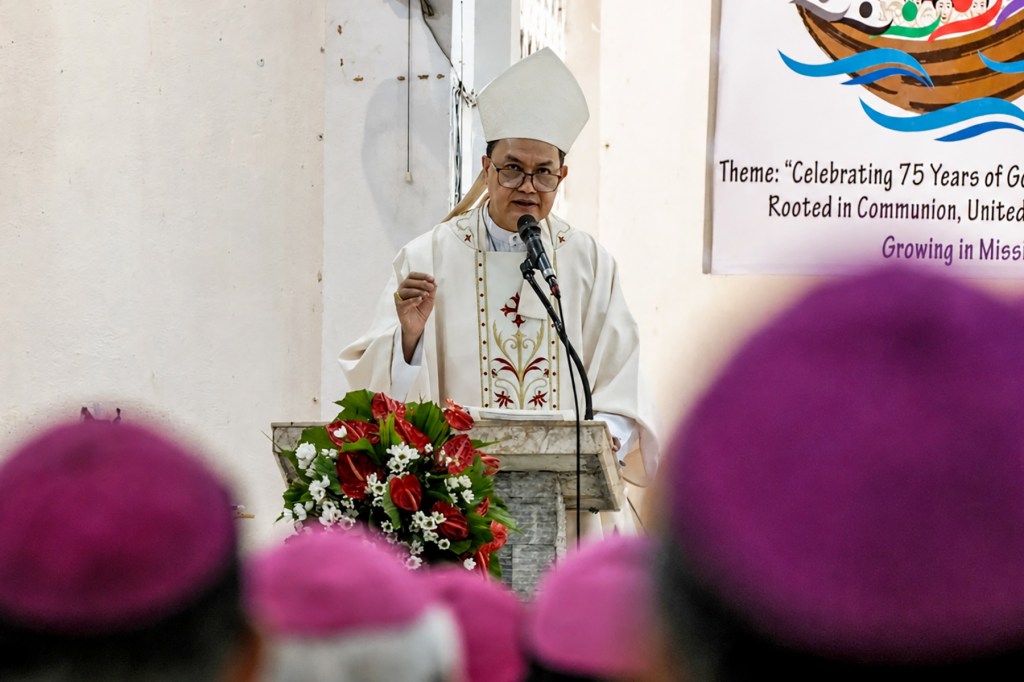
Cardinal Pablo Virgilio David of Kalookan presides over Mass concluding the bishops’ retreat at the Parish of the Holy Child in Clarin, Misamis Occidental, on July 6, 2026. (CBCP News photo ROY LAGARDE)
Meanwhile, Cardinal David called on the government to ensure greater transparency and stronger safeguards before proceeding with the initiative.
He said the country must secure technology transfer, meaningful participation of Filipino scientists and industries, responsible environmental stewardship, and a clear commitment to moving the Philippines up the global value chain instead of remaining primarily a supplier of land, natural resources, energy, tax incentives, and labor.
“These are legitimate questions—not because we oppose foreign investment, but because genuine partnership should strengthen the nation that hosts it,” David said.
Beyond economic concerns, David also urged policymakers to consider the ethical implications of artificial intelligence. Citing the teachings of Pope Leo XIV and Pope Francis, he said technological advancement should serve humanity rather than dominate it and warned against allowing geopolitical competition to shape the future of AI development.
“The real question,” David said, “is whether it will help build a civilization of love rather than a culture of power.” (Ang Pahayagan Reportorial Team)


 Ang Pahayagan
Leave a comment