
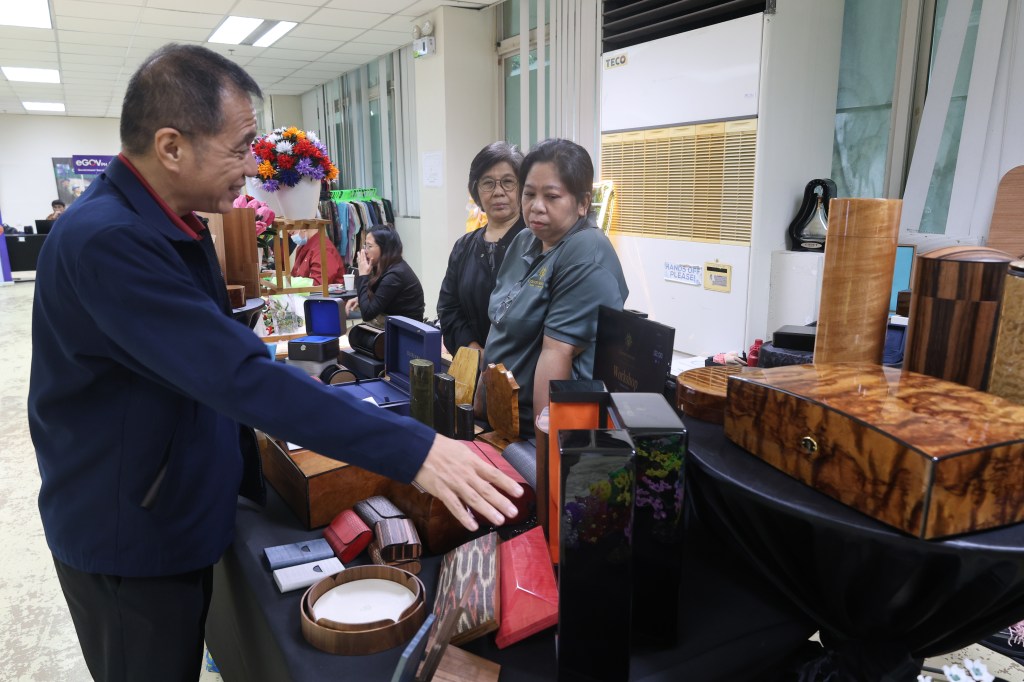
SUBIC BAY FREEPORT — Tourism stakeholders from across Luzon gathered at the Subic Bay Exhibition and Convention Center for the 1st Luzon Sustainable Tourism Summit, focusing on climate action, environmental protection and inclusive tourism development.
The summit brought together local government units, tourism enterprises, academic institutions, communities and sustainability advocates to exchange ideas, share practices and strengthen partnerships toward a more sustainable and resilient tourism industry.
Subic Bay Metropolitan Authority Director Rafael Miguel Marcelo said the agency is strengthening its carbon-neutrality program by integrating climate action into tourism development, conservation, waste management and energy-efficiency initiatives in the Subic Bay Freeport Zone.
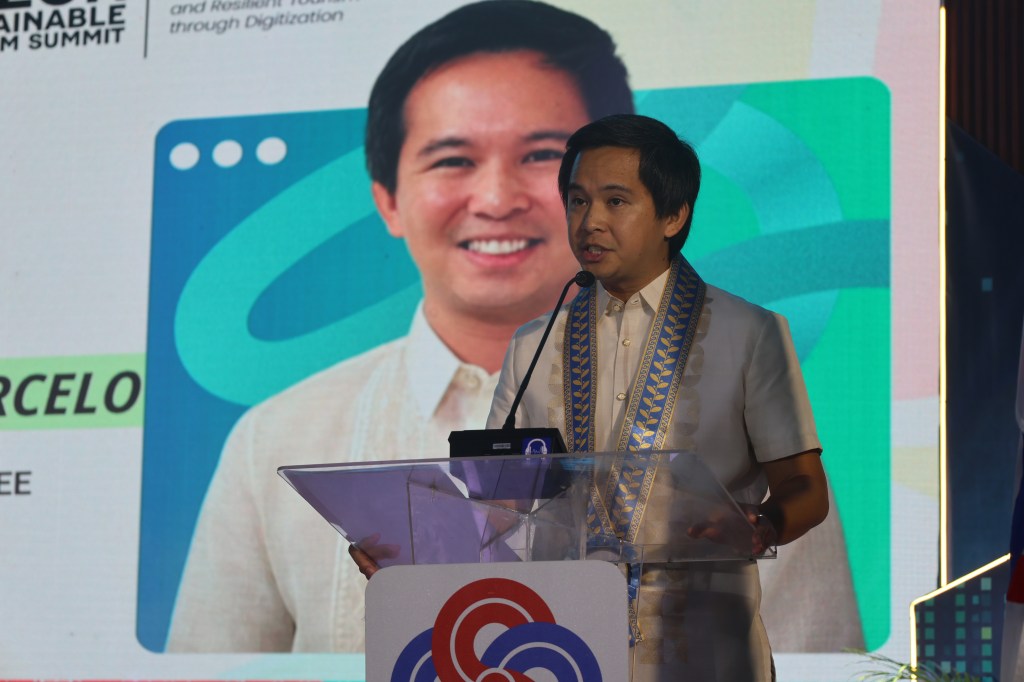
The SBMA launched its carbon-neutrality program in 2024 under its “Race to Carbon Neutrality” initiative, which seeks to reduce emissions in the Freeport and eventually achieve carbon neutrality.
The program includes carbon accounting, energy efficiency, renewable energy, electric transportation, smart waste management, ecosystem restoration and stakeholder participation. It also covers the protection of forests, mangroves and other natural ecosystems.
Marcelo said the SBMA is working to quantify the carbon stored and sequestered by Subic’s forests and mangroves, noting that determining the climate value of these natural assets would provide a clearer basis for conservation and emissions-reduction efforts.
He called for stronger coordination among local governments, national agencies, businesses and tourism stakeholders to address climate concerns and incorporate climate-resilient practices into tourism development.
“Let this Summit serve as a powerful call to action for every destination in Luzon to embed climate-resilient, sustainable practices into daily operations,” Marcelo said.
He also urged stakeholders to develop unified environmental policies, improve infrastructure through public-private partnerships, integrate regional development plans, use digital tools and strengthen environmental stewardship across tourism destinations.
Representing Gov. Hermogenes E. Ebdane Jr., chairman of the Regional Development Council in Central Luzon, Board Member Rundstedt Ebdane conveyed the governor’s support for the summit and emphasized the importance of collaboration.
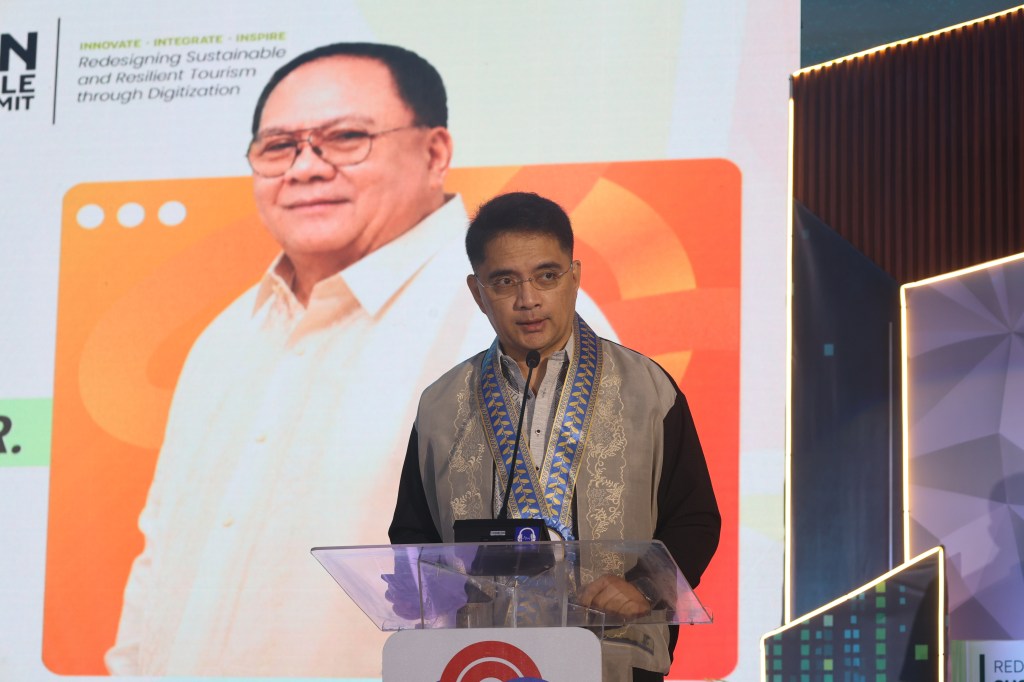
“Technology alone is not enough,” Ebdane said, stressing that sustainable tourism requires cooperation among provinces, cities, municipalities, government agencies, tourism enterprises and local communities.
He cited Zambales and the Subic Bay Freeport as examples of how natural resources, infrastructure, investment and community participation can work together to create opportunities for tourism and economic development.
The summit highlighted the need for a tourism industry that creates jobs and attracts investment while protecting natural and cultural heritage, embraces innovation while remaining rooted in local communities, and builds resilience against future challenges. (Story and photo by Jun Dumaguing for Ang Pahayagan)
TOP 📸 : SBMA Deputy Administrator for Administration Vicente Evidente Jr. checks out several Subic-made products on display during the 1st Luzon Sustainable Tourism Summit held at the Subic Bay Exhibition and Convention Center in the Subic Bay Freeport Zone.

 Ang Pahayagan
Leave a comment