
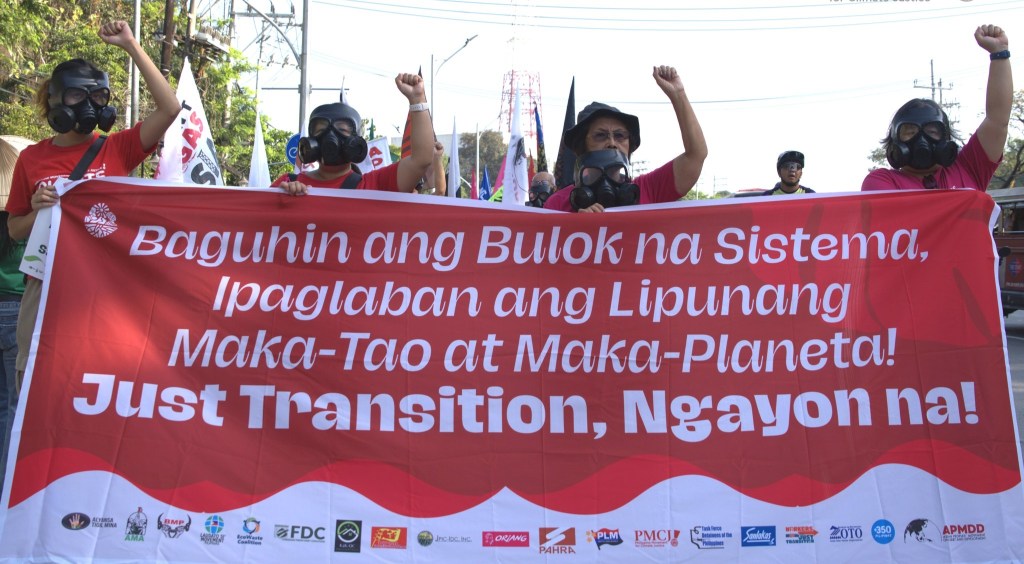
MANILA — Climate justice advocates in the Philippines joined a global day of action on Sunday, April 26, calling for an accelerated transition away from fossil fuels ahead of the first Transitioning Away from Fossil Fuels (TAFF) Conference in Santa Marta, Colombia.
The Philippine Movement for Climate Justice (PMCJ), together with the Asian Peoples’ Movement on Debt and Development and other groups, urged governments to adopt stronger measures for a rapid and equitable shift to renewable energy.
The groups said the ongoing conflicts in West Asia, particularly the US-Israel attacks on Iran, have exposed the vulnerability of countries dependent on fossil fuels. They cited disruptions in global oil supply caused by the closure of the Strait of Hormuz, which they said has triggered spikes in fuel prices and rising costs of food and basic commodities.
PMCJ said the Philippines has been among the countries hardest hit by fuel price increases since the conflict began, noting sharp increases in gasoline and diesel prices that have affected electricity rates, transportation fares, and food costs.
“The only way out is a fossil-free future,” said Elle Bartolome, PMCJ policy, communications, and campaigns lead. “Our long dependence on fossil fuels has proven that economies and basic survival remain vulnerable to crises beyond our control.”
The group criticized the Philippine government’s reported plans to lift the coal moratorium and fast-track the proposed Waste-to-Energy (WTE) Bill, which environmental advocates described as a “false solution” that would worsen carbon emissions and dependence on fossil fuels.
Bartolome said governments attending the TAFF Conference should push for a “fast, fair, and funded” just transition, including grants-based financing for developing countries.
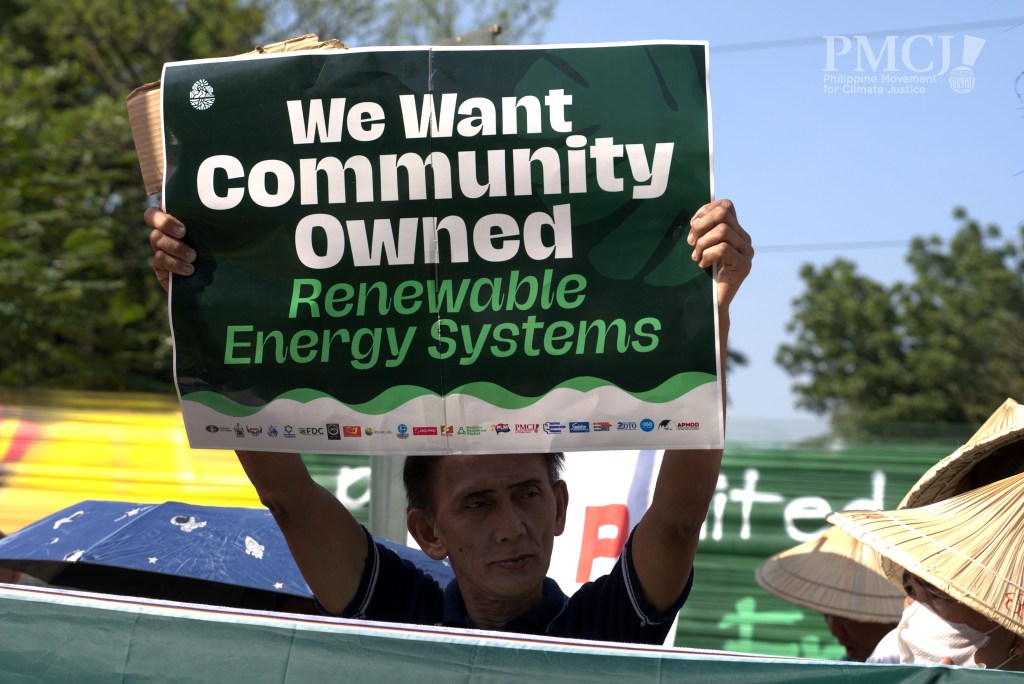
PMCJ also reiterated its call for a complete transition to renewable energy, saying the Philippines has untapped renewable energy potential.
Edwin Tesaluna, PMCJ senior renewable energy officer, said the country has an estimated renewable energy capacity of more than 807 gigawatts, but only around 10 gigawatts have been developed so far.
Tesaluna said maximizing renewable energy resources could help the country phase out coal and reduce dependence on imported fuel, while shielding consumers from global oil price volatility.

He also opposed continued investments in liquefied natural gas and waste-to-energy projects, saying these would hinder the country’s goal of achieving energy sovereignty.
The group stressed that renewable energy projects must follow just transition principles, including consultation with local communities and protection against displacement.
PMCJ said the TAFF Conference presents an opportunity for countries to support negotiations for a Fossil Fuel Treaty aimed at coordinating global action toward a fossil-free future.
📸PMCJ




 Ang Pahayagan
Leave a comment